


Children today are growing up in a world where the playground extends beyond school grounds and into the digital spaces they access through their phones. These spaces offer opportunities for learning, creativity and connection, but they also expose children to risks that can threaten their safety and well-being. As South Africa commemorates World Children's Day on 20 November, the growing presence of children in digital environments calls for renewed attention to how they are protected online.
The challenge is not whether children should participate in the digital world, but how to ensure that they can benefit from its opportunities without being exposed to exploitation, abuse and harmful content. Digital access should expand children's opportunities, not compromise their rights or safety.
The scale of the challenge is evident in the SA Kids Online Study, conducted by UNICEF South Africa and the Department of Social Development in 2020. The study found that 70 per cent of children surveyed used the internet without parental consent, while 25 per cent had added people they had never met face-to-face to their friends or contacts lists. It also found that 18 per cent had sent a photograph or video of themselves to someone they had never met in person. Furthermore, 67 per cent of child participants who had seen sexual images had encountered them on an online device. These findings highlight the vulnerabilities children can face when navigating digital spaces without adequate protection and guidance.
The risks have also become more complex with advances in technology. Artificial intelligence-generated deepfakes and online "nudification" tools can manipulate ordinary photographs into sexually explicit images, often without the knowledge or consent of the person depicted. Children can therefore become victims of digital exploitation even when the original images they shared were entirely innocent. This makes online safety an evolving challenge that requires institutions to respond to new forms of harm.
Importantly, the effects of online harm are not confined to the digital space. Online sexual abuse and cyberbullying can have serious effects on children's mental health and emotional development, including anxiety, self-harm and suicidal thoughts. Exposure to violent or pornographic content at an early age can also distort children's understanding of relationships, consent and body image. What happens online can therefore have lasting consequences for children's safety, dignity and development.
Therefore, protecting children in this environment requires more than telling them to be careful online. It demands a coordinated response from parents and caregivers, schools, communities, government and the digital platforms that shape their online experiences. Each has a responsibility, and none can assume that another will address the problem alone.
In South Africa, an important legislative foundation already exists. The Children's Act places the best interests of the child at the centre of decisions affecting children and provides protections against abuse and exploitation. The Cybercrimes Act addresses offences including the unlawful disclosure of intimate images and certain harmful communications. The Criminal Law (Sexual Offences and Related Matters) Amendment Act provides for offences relating to sexual exploitation, grooming and child pornography. These legislative protections provide an important foundation for safeguarding children, but their effectiveness depends on consistent implementation and enforcement.
The Film and Publication Board (FPB) also plays an important role. Established under the Films and Publications Act, the FPB classifies films, games and certain publications, and its regulatory mandate extends to qualifying online content. Through age classifications, content regulation and compliance monitoring, it helps protect children from exposure to disturbing and harmful material. Its expanded mandate recognises that content regulation must keep pace with how people access and consume media in the digital age.
In the education sector, the Department of Basic Education has incorporated the Online Safety Curriculum Guideline into the Life Orientation curriculum, helping learners develop an understanding of online risks, protect their personal information and engage responsibly in digital environments. Such education is important because children need more than restrictions; they need the knowledge and confidence to recognise danger, make informed decisions, and seek help when something goes wrong.
Parents and caregivers remain important in this effort. Understanding what children and teenagers do online, the platforms they use and the people with whom they interact is vital. Regular conversations about online experiences, privacy, contact with strangers and acceptable online behaviour can help children recognise risks and feel comfortable reporting uncomfortable or threatening encounters. Clear household rules and appropriate parental guidance can further support safer internet use.
However, parental supervision alone cannot guarantee children's safety. Companies that own and operate digital platforms have a responsibility to protect children through the design, management and moderation of their services. This includes implementing stronger age-assurance measures, ensuring that privacy settings protect minors by default, moderating content effectively and promptly removing harmful material. Digital platforms should also provide accessible and child-friendly channels through which children and caregivers can report harmful content, online abuse and exploitation, with clear processes for investigating complaints and taking appropriate action. These companies should not wait until harm has occurred before taking meaningful steps to address foreseeable risks.
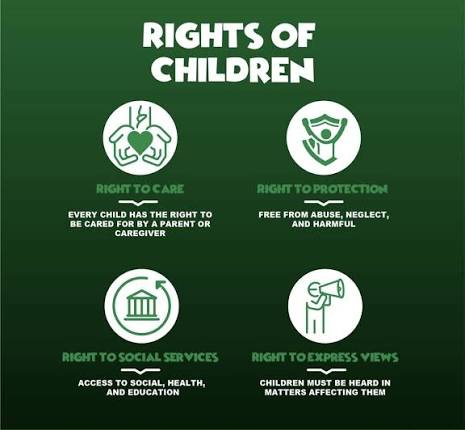
The responsibility is to ensure that children can access the educational, creative and innovative opportunities offered by technology without having to navigate its dangers alone. Protecting children online does not mean isolating them from the digital world. It means creating an environment in which their rights are respected, their voices are heard and their safety is protected.
When parents guide, schools educate, government legislates and enforces, and digital platforms take responsibility for the environments they create, we move closer to a safer digital world for every child. Ultimately, children should not bear the burden of protecting themselves from risks created by the digital environments in which they participate. That responsibility rests with all of us.
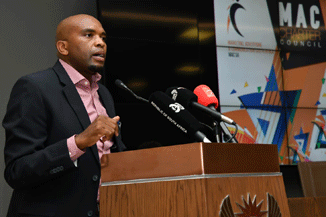
Sandile Nene is the Acting Deputy Director-General of the Government Communication and Information System (GCIS)
Share this page